

Every pet deserves to enjoy meal times without discomfort. While occasional digestive issues can happen, recurring symptoms may indicate that your pet is sensitive to certain ingredients in their diet.
Food sensitivities can affect both dogs and cats and often develop gradually, making them easy to overlook. Recognising the early warning signs allows pet owners to make informed decisions and seek professional advice before minor issues become long-term health concerns.
Here’s what every pet owner should know.
What Are Food Sensitivities?
Food sensitivities occur when your pet has difficulty digesting or tolerating certain ingredients. Unlike food allergies, which involve an immune response, food sensitivities typically affect digestion and overall comfort.
Although they are usually less severe than allergies, ongoing food sensitivities can impact your pet’s quality of life if left unmanaged.
Common Signs Your Pet May Have Food Sensitivities

1. Frequent Digestive Problems
Digestive discomfort is often one of the first signs to appear.
Watch for symptoms such as:
- Loose stools
- Diarrhoea
- Vomiting
- Excessive gas
- Sensitive stomach after meals
If these issues occur regularly, it may be time to review your pet’s diet with your veterinarian.
2. Persistent Itching and Skin Irritation
Not all food sensitivities affect the digestive system.
Many pets experience:
- Constant scratching
- Red or irritated skin
- Ear infections
- Paw licking
- Excessive grooming
Healthy skin often starts with proper nutrition, making diet an important factor to consider.
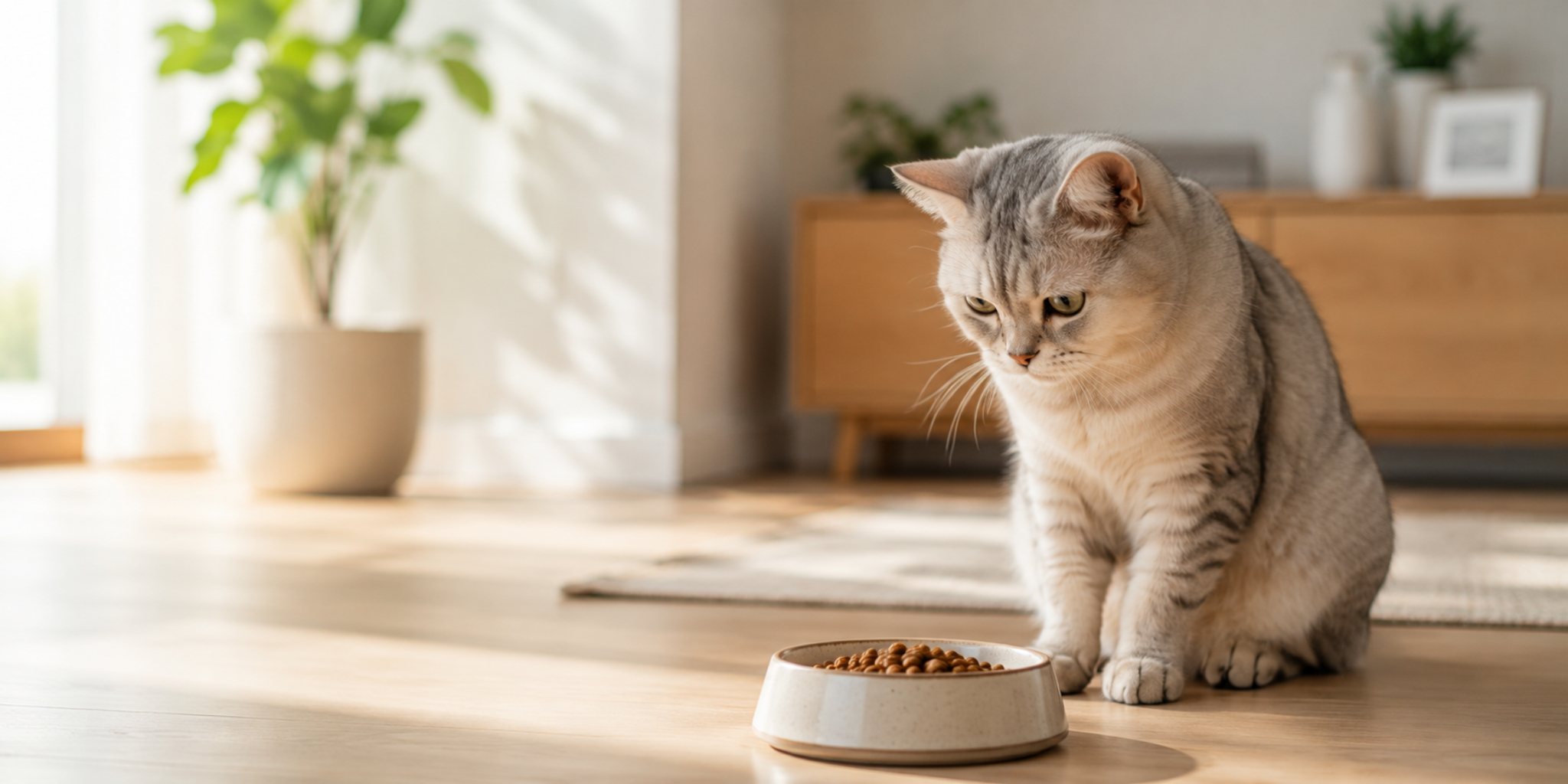
3. Reduced Appetite
Pets experiencing digestive discomfort may become less enthusiastic during mealtime.
Signs include:
- Eating less than usual
- Leaving food unfinished
- Becoming selective with food
- Showing hesitation before eating
Changes in appetite that continue for several days should not be ignored.
4. Lower Energy Levels
When pets don’t feel well internally, their energy levels often change.
They may:
- Sleep more than usual
- Become less playful
- Lose interest in walks or toys
- Seem uncomfortable after meals
A healthy digestive system supports overall vitality and daily activity.
5. Dull Coat and Poor Skin Condition
Your pet’s coat is often a reflection of their overall health.
Food sensitivities may contribute to:
- Dry skin
- Dull coat
- Excessive shedding
- Poor coat quality
Providing complete and balanced nutrition can help support healthy skin and a shiny coat over time.
Supporting Your Pet Through Better Nutrition
If your pet regularly experiences several of these symptoms, consult your veterinarian before making major dietary changes. A proper assessment can help identify whether food sensitivities, allergies, or another health condition may be contributing to the problem.
When transitioning to a new diet, choosing recipes formulated specifically for digestive support or food sensitivities may help improve your pet’s comfort while supporting long-term health. Always introduce new food gradually and consult your veterinarian if symptoms persist.
Different pets have different nutritional needs depending on the underlying cause of their food sensitivities. Some may benefit from limited-ingredient recipes, while others respond better to novel proteins or diets specifically formulated to support digestive health. Choosing the right nutrition, together with veterinary guidance, can help your pet feel more comfortable and support long-term wellbeing.
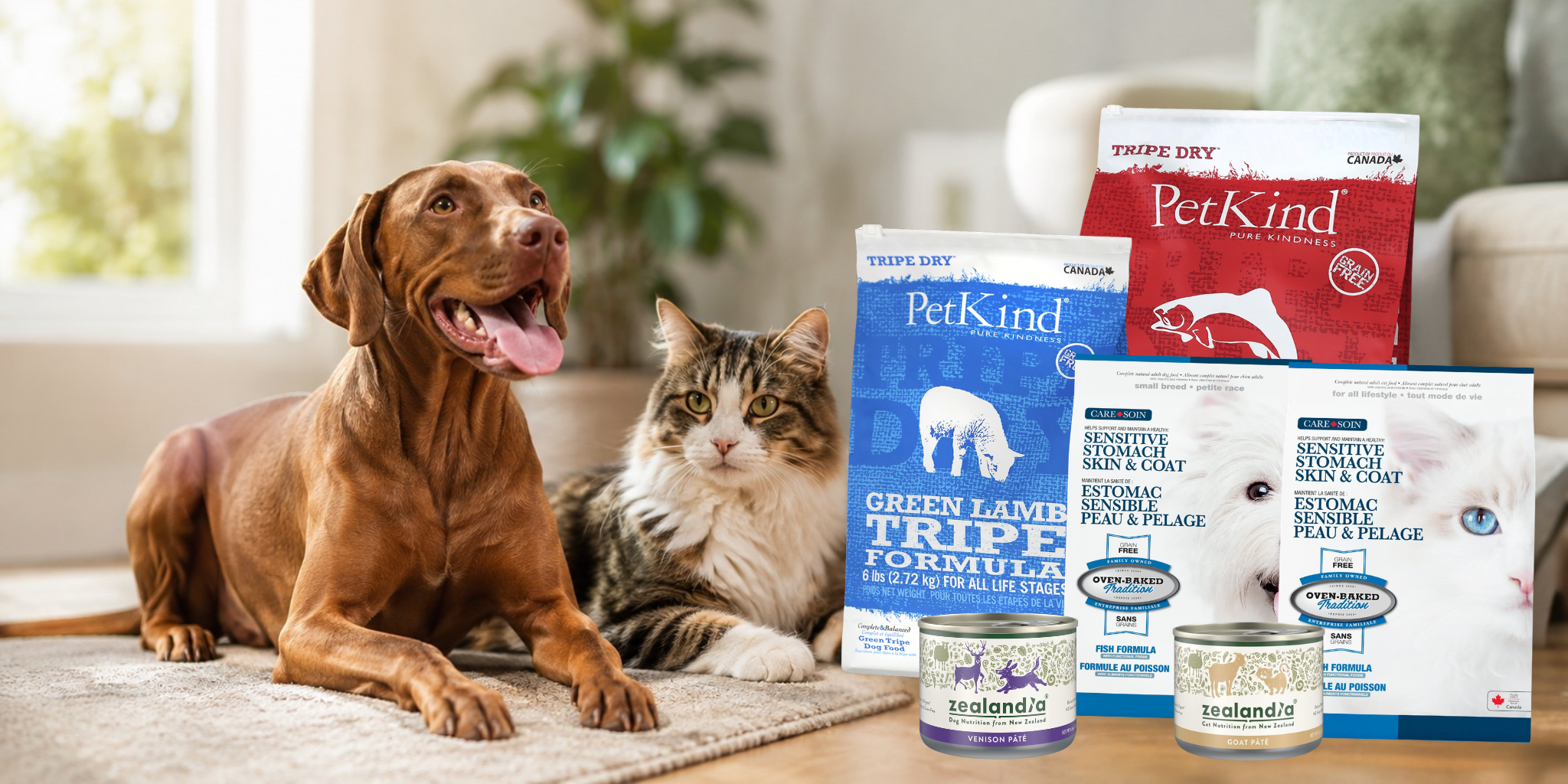
For pet owners looking to support pets with sensitive digestion, Rein Biotech offers trusted nutrition brands formulated with carefully selected ingredients to promote digestive health, skin condition, and overall wellbeing. From naturally digestive-supportive Green Tripe recipes and novel protein diets to functional nutrition developed specifically for sensitive stomachs, there are options designed to support different dietary needs and life stages.
PetKind
PetKind is well known for its Green Tripe recipes, making it a popular choice for pets with sensitive stomachs and digestive concerns. Green tripe is naturally rich in digestive enzymes, beneficial nutrients, and highly digestible proteins that help support normal digestive function, nutrient absorption, and overall gut health.
Many PetKind recipes are also made with limited, high-quality ingredients and are free from common fillers such as wheat, corn, and soy, making them a suitable option for pets with food sensitivities. By supporting healthy digestion and digestive comfort, PetKind helps pets enjoy comfortable mealtimes while promoting their overall wellbeing.
Zealandia
Zealandia offers premium wet food formulated with novel protein sources, making it an excellent choice for pets with sensitive stomachs or food sensitivities. Novel proteins may help reduce the likelihood of food reactions by introducing protein sources that pets are less commonly exposed to, while still providing complete and balanced nutrition to support their overall health and wellbeing.
Oven-Baked Tradition
For pets with digestive concerns, the new Oven-Baked Tradition Care+Soin range is specially developed to support digestive health and everyday wellbeing. The Sensitive Stomach, Skin & Coat formula contains carefully selected functional ingredients that help improve digestive comfort, support a healthy gut microbiome, and promote healthy skin and a shiny coat. It is designed to provide complete and balanced nutrition while helping pets feel their best every day.
The formula features natural zeolite to help reduce intestinal inflammation, minimise gas, and support firmer stools. It also includes postbiotics to support a healthy gut microbiome and immune system, while fresh salmon, salmon oil, and DHA from marine microalgae provide omega-3 fatty acids that nourish the skin and help maintain a soft, healthy coat.
Together, PetKind, Zealandia, and Oven-Baked Tradition provide different nutritional approaches to support pets with food sensitivities, allowing pet owners to choose a solution that best suits their pet’s individual needs.
Why Early Detection Matters

Ignoring recurring symptoms may allow discomfort to continue unnecessarily.
Early recognition, regular veterinary check-ups, and choosing appropriate nutrition can help improve your pet’s quality of life while supporting healthy digestion, skin, coat condition, and overall wellbeing.
Every pet is unique, and finding the right diet is an important step towards keeping them happy and healthy for years to come. When food sensitivities are recognised early, selecting an appropriate diet with targeted nutritional support may help improve digestive comfort, skin condition, and overall quality of life.
Final Thoughts
Food sensitivities can develop gradually, making them easy to miss during everyday life. By paying attention to changes in digestion, skin condition, appetite, energy levels, and coat quality, pet owners can identify potential issues early and seek professional guidance.
Combined with regular veterinary care, appropriate nutritional support, and a gradual transition to a suitable diet, the right dietary choices can help your pet enjoy a healthier, happier life.
Frequently Asked Questions
Can food sensitivities develop later in life?
Yes. Dogs and cats can develop food sensitivities at any age, even after eating the same food for years.
Are food sensitivities the same as food allergies?
No. Food allergies involve the immune system, while food sensitivities are generally related to difficulty digesting certain ingredients.
Should I switch my pet’s food immediately?
It’s always recommended to consult your veterinarian before making significant dietary changes, especially if symptoms are persistent.
Can premium pet food help?
High-quality pet food made with carefully selected ingredients may help support digestive health and overall wellbeing. Your veterinarian can recommend the most suitable diet based on your pet’s individual needs.
Is Green Tripe good for pets with sensitive stomachs?
Green tripe is naturally rich in digestive enzymes and highly digestible nutrients that help support healthy digestion and overall gut health. For some pets with sensitive stomachs, diets containing green tripe may help promote digestive comfort. However, every pet is different, so it’s always best to consult your veterinarian before changing your pet’s diet.
How long does it take to see improvement after changing food?
Every pet is different. Some pets may show improvement within a few weeks, while others may require a longer transition period under veterinary guidance.
Want more pet care tips and educational content?
Your pet’s health starts with the right nutrition.
Follow @reinbiotech to discover premium recipes designed to support your pet’s health, happiness, and wellbeing every day.