

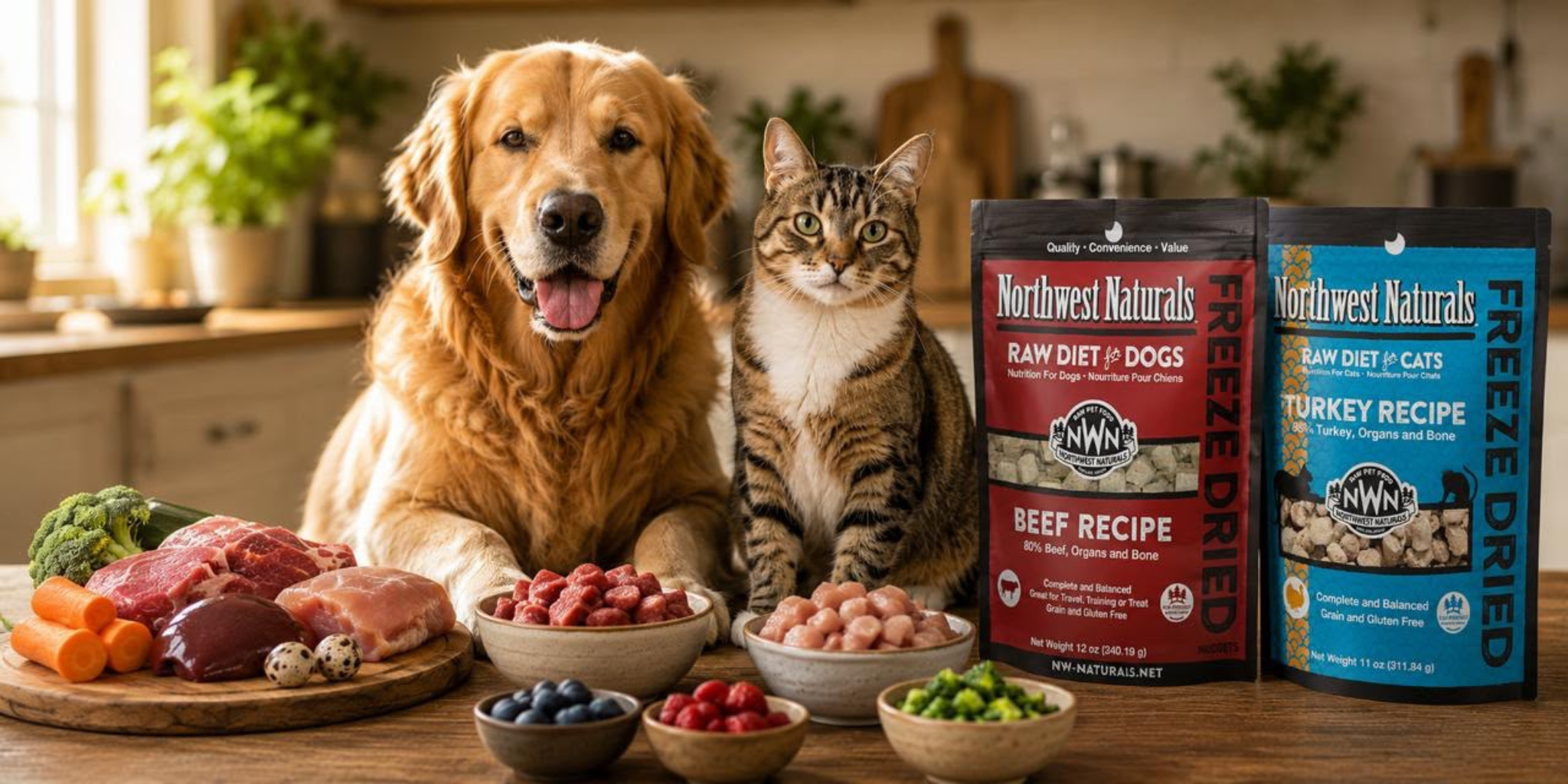
As pet owners, we all want the best for our furry companions and that starts with what goes into their bowl. Raw feeding has grown significantly in popularity over recent years, and with it comes a wave of questions. Is it really beneficial? Is it safe? And where do you even begin?
This guide covers the fundamentals of raw diets for dogs and cats, including the science-backed benefits, the most common misconceptions, and how to approach raw feeding responsibly.
What Is Raw Feeding?
Raw feeding means providing your pet with unprocessed, natural food in its whole form. A balanced raw diet typically includes:
- Raw muscle meat
- Raw organ meat (such as liver and kidney)
- Raw or lightly cooked bone
- Vegetables and fruit
- Eggs
- Occasionally fish or dairy
This approach is rooted in the idea that dogs and cats evolved eating whole prey, without cooking, preservatives, or fillers. Raw feeding aims to replicate that natural nutritional profile as closely as possible.
The Benefits of Raw Feeding
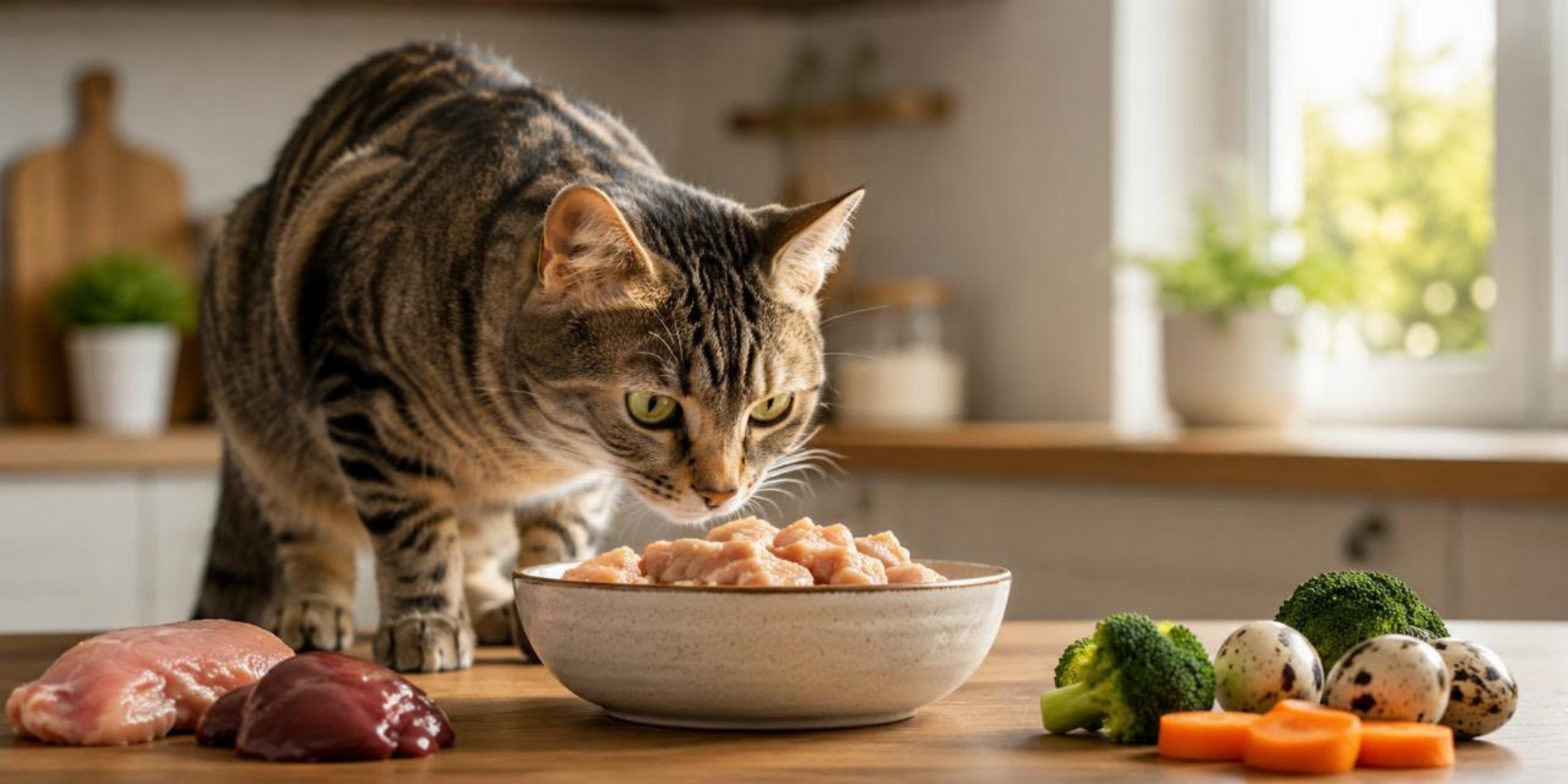
1. Healthier Skin and Coat
Raw meat and organs are naturally rich in omega-3 fatty acids, zinc, and healthy fats. These nutrients directly support coat quality, reduce excessive shedding, and help calm skin irritation.
2. Improved Digestion
Compared to heavily processed kibble, raw diets are often easier for pets to digest. Many owners report smaller, firmer stools, a sign that the body is absorbing nutrients more efficiently.
3. Natural Dental Health
Chewing raw meat and bones provides a natural scrubbing action that helps reduce tartar build-up and supports overall oral hygiene without the need for additional dental treats or brushing.
4. Better Weight Management
Raw diets are naturally low in carbohydrates, making them a strong option for pets that struggle with weight gain or obesity. Without excess fillers and starches, the body uses energy more efficiently.
Common Myths — and the Truth Behind Them
Myth: Raw meat is too dangerous because of bacteria.
Truth: Dogs and cats have digestive systems that are specifically designed to handle raw meat. Their short, highly acidic digestive tracts make it far more difficult for bacteria like Salmonella to cause harm. That said, proper hygiene when handling raw food is still essential.
Myth: Raw bones are dangerous.
Truth: Cooked bones are dangerous, they become brittle and can splinter. Raw bones, however, are flexible and considered safe when the right size is chosen for your pet.
Myth: Raw feeding is not suitable for all pets.
Truth: Most healthy adult dogs and cats can benefit from a raw diet. However, pets with compromised immune systems, pregnant animals, or those with chronic illness should only transition under veterinary supervision.
Myth: Home-prepared raw diets are always nutritionally incomplete.
Truth: An improperly balanced home diet can be lacking but professionally formulated raw foods like those from Northwest Naturals are carefully crafted to meet complete nutritional standards, taking the guesswork out entirely
Best Practices for Responsible Raw Feeding
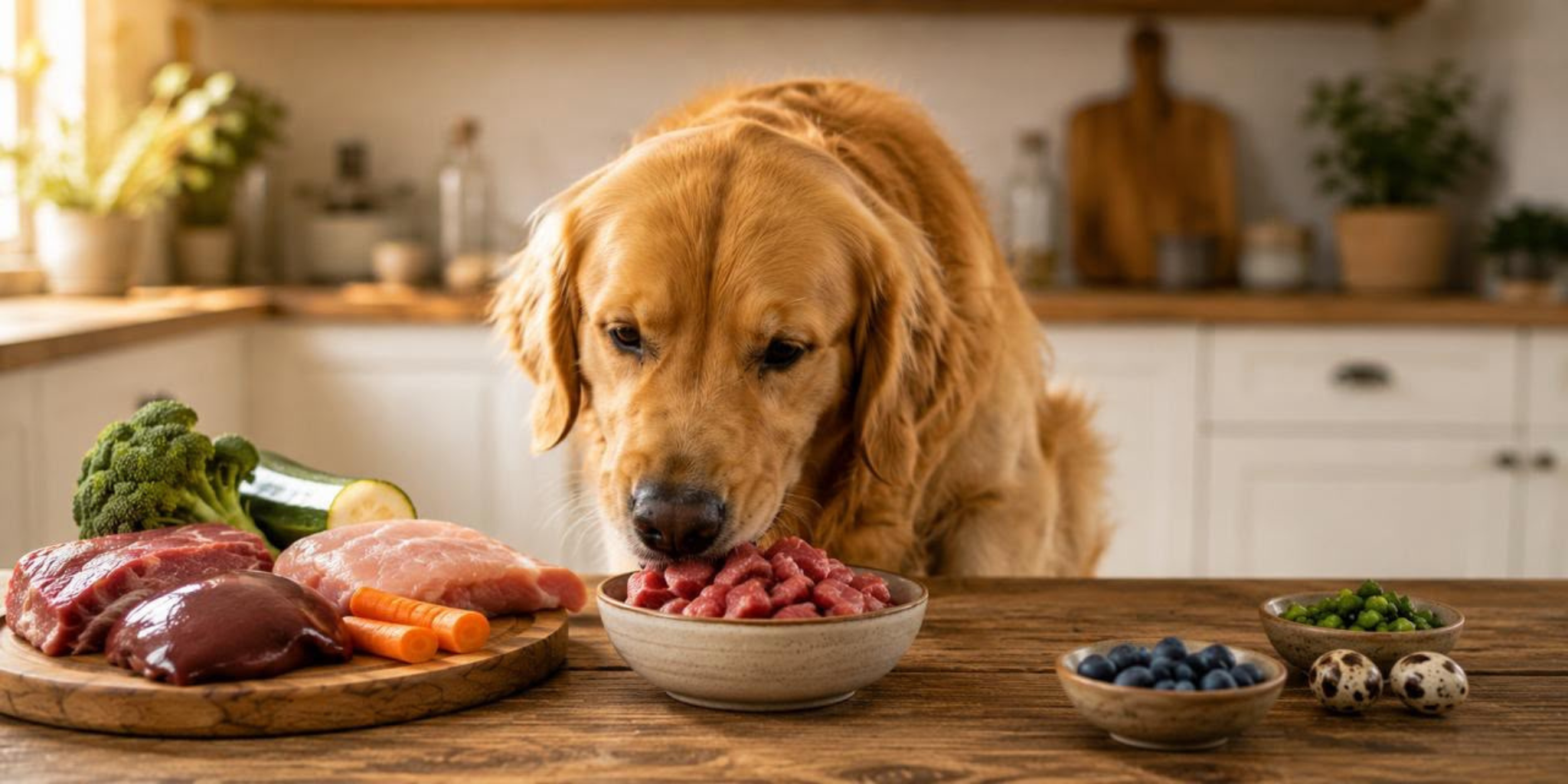
- Transition gradually: start by mixing raw food with your pet’s current diet and slowly increase the raw portion over several weeks
- Source quality ingredients: always use human-grade meat from trusted suppliers
- Follow strict hygiene: wash hands thoroughly, use separate utensils, and clean feeding bowls after every meal
- Ensure nutritional balance: muscle meat alone is not sufficient; organ meat and bone must be included
- Calculate portions correctly: base daily amounts on your pet’s body weight and activity level
- Stay in touch with your vet: regular check-ups during the transition help catch any adjustments needed
- Consider freeze-dried raw options: they retain the nutritional benefits of raw food while being safer and more convenient to handle
Raw Feeding Made Simple with Northwest Naturals
Northwest Naturals was founded with a clear mission: to provide pet lovers with health-enhancing, life-prolonging food that is easy to feed and carefully formulated based on the most advanced science and principles of raw food diet preparation.
What sets Northwest Naturals apart is not just the quality of their ingredients, but the depth of their commitment to safety, transparency, and accountability at every step of the production process.
A Legacy Built on Human-Grade Standards
Northwest Naturals is produced in Portland, Oregon, as part of Morasch Meats, a family-run meat processing company that has been operating since 1956. Morasch Meats is best known for producing human-grade products such as steaks found in local supermarkets. In 2004, the company applied that same human-grade approach to create Northwest Naturals.
Every bag of Northwest Naturals carries a registered USDA number that consumers can verify directly with the USDA. Raw materials are sourced exclusively from USDA-inspected slaughter facilities, and it is illegal to bring anything below feed-grade into a USDA-inspected plant.
Around-the-Clock Safety Protocols
Production at Northwest Naturals runs 24 hours a day, 7 days a week, with a day that begins at 4:30 in the morning. Before production starts, a team of pre-operational inspectors reviews all equipment to confirm that overnight cleaning has been completed to standard. Every piece of equipment is fully disassembled, scrubbed, cleaned, and sanitised each night before being inspected with UV lights, handed over to the USDA inspector, and then cleared for production.
A USDA inspector is present on-site at all times during production across both facilities. Northwest Naturals maintains dedicated USDA inspector offices in each of its buildings, ensuring continuous oversight on every shift, every day.
Multi-Layer Pathogen Control
Northwest Naturals applies multiple layers of food safety technology to eliminate pathogen risk without compromising nutritional value:
- High Pressure Processing (HPP): All products go through HPP at 87,000 PSI with a hold time of 180 seconds. This process inactivates harmful bacteria, viruses, and pathogens while leaving proteins, fats, vitamins, minerals, and enzymes completely intact. HPP was adopted by Northwest Naturals in direct response to FDA zero-tolerance regulations for pet food.
- Photocatalytic Oxidation (PCO) Technology: Northwest Naturals has installed InspiredTech’s PCO air and surface purification system throughout its facilities. This technology uses an electrical discharge to create positive and negative ions that attach to and inactivate airborne pathogens, mold spores, and surface contaminants across the entire plant. Third-party swab testing before and after installation confirmed the efficacy of the system.
- Metal Detection: All products pass through metal detection at multiple stages of the production process before packaging.
- Positive Release Program: Every single batch of Northwest Naturals product is tested for E. coli, Salmonella, and Listeria before it leaves the facility. Products are not released for shipping until they test negative for all pathogens. This is known as a positive release program, and it is a standard that goes well beyond what most pet food manufacturers apply.
- Third-Party Audits: Northwest Naturals participates in annual third-party audits and consistently achieves the highest possible scores.
Full Transparency and Traceability
Northwest Naturals has invested in comprehensive CCTV coverage throughout both production facilities, with cameras in every room, inside and out. This infrastructure is used for regulatory control, sanitation monitoring, and quality assurance, ensuring that every policy is properly followed at all times.
The company also operates one of the largest privately owned rooftop solar installations in the Portland metro area, generating over 1.3 megawatts of power across both buildings, reflecting a broader commitment to operating responsibly and sustainably.
Whether you are just starting your raw feeding journey or looking for a reliable everyday option, Northwest Naturals takes the complexity out of raw feeding so you can focus on what matters most: the health and happiness of your pet.
Final Thoughts
Raw feeding, when done correctly, can make a meaningful difference in your pet’s overall health. The key is starting with the right information, choosing quality products, and paying attention to your individual pet’s needs.
The best diet for your pet is one that keeps them healthy, energetic, and thriving, and raw feeding, approached responsibly, can absolutely be that.
Want more pet nutrition tips and educational content?
Follow @reinbiotech for more helpful guides to support your pet’s health and wellbeing.