The only natural bio-control of midge larvae in aquarium and pond filtration.
A Short Introduction
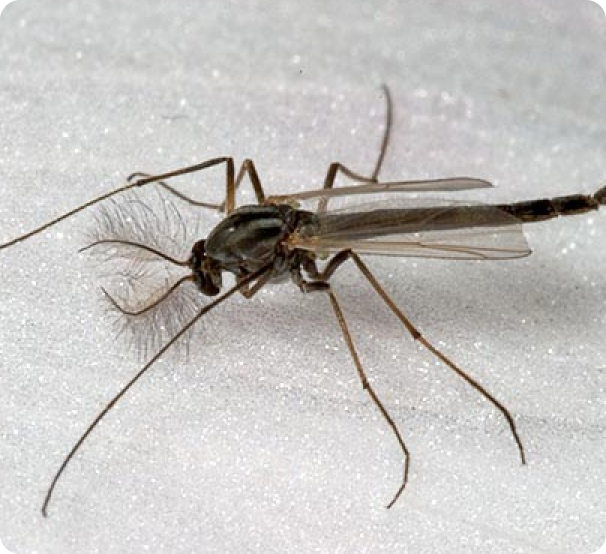
Many people experience swarms of flying insects around their koi pond or aquarium tanks, especially in the immediate vicinity of the filter chambers. These insects are known as MIDGES. The most common midges people complain about are non-biting nuisance pests belonging to the family Chironomidae. People often refer to them as “gnats” or “fuzzy bills”. Chironomid midges are similar in appearance to mosquitoes, but they do not bite. Midges have plumose antennae that resemble a small feather. They are very small–none larger than 1/8-inch long. The adult midge may be a variety of colours from dark brown to green.
Our Products
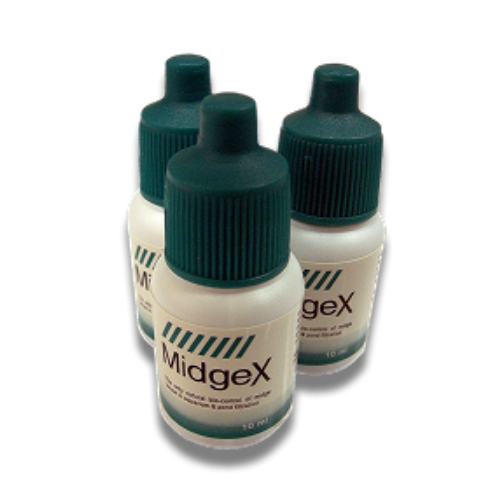
MidgeX
MX001
10ml
$12.00
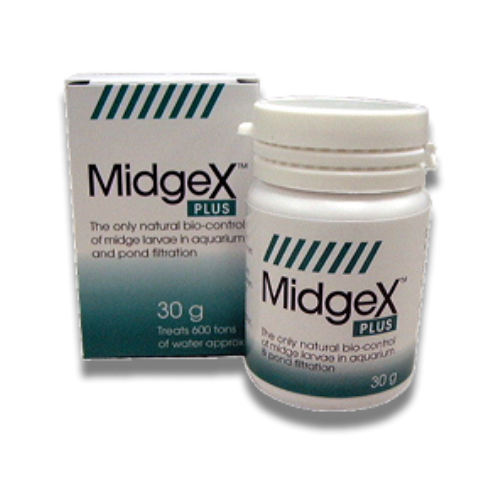
MidgeX Plus
MX002
30g
$36.00
Before
After
The Biology
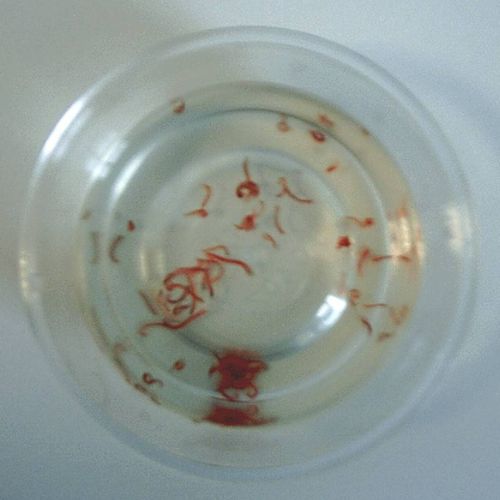
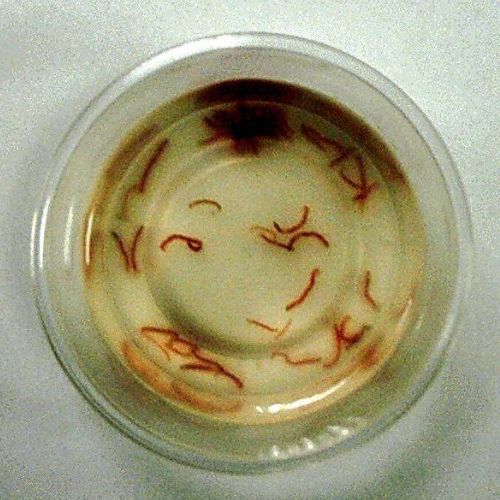
Midges rely on water to complete their life cycle, as their larvae are aquatic. Female midges lay eggs that hatch within days, and the larvae live at the bottom, building tube-like shelters from debris and silk. Feeding on organic matter and algae, they often thrive in poorly maintained pond filters. Some larvae, known as bloodworms, have red blood due to hemoglobin, which helps them survive in low-oxygen water.
After about four weeks, larvae pupate and emerge as adults. Male midges swarm at dusk, and females join these swarms to mate. While larvae play an important role as food for fish, adult midges can become a nuisance when attracted to lights and are often mistaken for mosquitoes. In some areas, such as Lake Suwa in Japan, midges have also been associated with asthma cases.
Things To Take Note Of
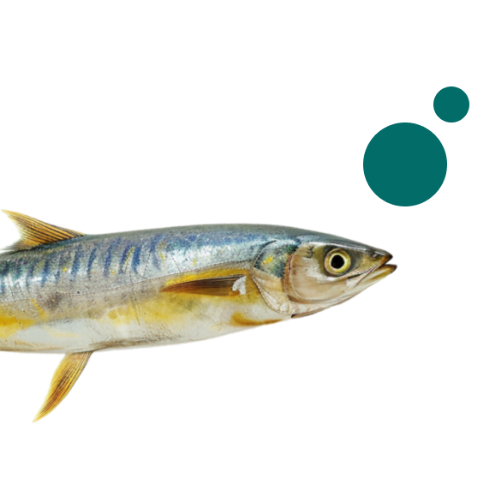
To reduce midge activity, avoid using unnecessary lights around dusk, when they are most active. If midges are entering your home, seal vent openings and other possible entry points. Regularly flush and drain pond filters to minimise breeding, as stagnant water and debris attract larvae. While complete eradication is difficult because larvae anchor themselves with silk, introducing small fish into filter chambers can help control their numbers.
For a more effective and natural solution, use Midgex. It targets midges at the larval stage and is less effective on pupae, with no effect on adults. Apply Midgex once a week for at least four weeks to break the life cycle and eliminate the population.
Directions For Use
< 5,000 L – 2 drops/1000 L for small ponds > 5,000 L – 5 drops/1000 L for big ponds
Double the dosage for serious cases or when using for the first week. For best results, mix Midgex in a container with pond water. Stop the filter system from running for at least half an hour. Apply to the filter chambers, especially the first two chambers. Use in the evening time Apply twice a week No danger of overdosing Not harmful to non-targeted aquatic animals. Safe for koi and other aquarium fish.
Please Be Advised
Do not reuse the container. Keep out of reach of children. Avoid contact with eyes and skin. Seek medical treatment immediately if the product is swallowed. Keep in a cool, ventilated, and dry place. Store below 35°C. Keep refrigerated for longer shelf life.